
Nature Took It Backcoal mineSouth WalesWales
Big Pit: The Welsh Coal Mine Where Ex-Miners Take You 300 Feet Down, South Wales
Big Pit mined coal in South Wales for over a century. Now former miners lead visitors 300 feet underground, while nature reclaims the land above.
Every claim sourced
11 claims · 11 sources
0 disagreements logged
2 editorial corrections
Last checked Oct 3, 2026
The story
The numbered claim log below connects facts in this story to their sources.
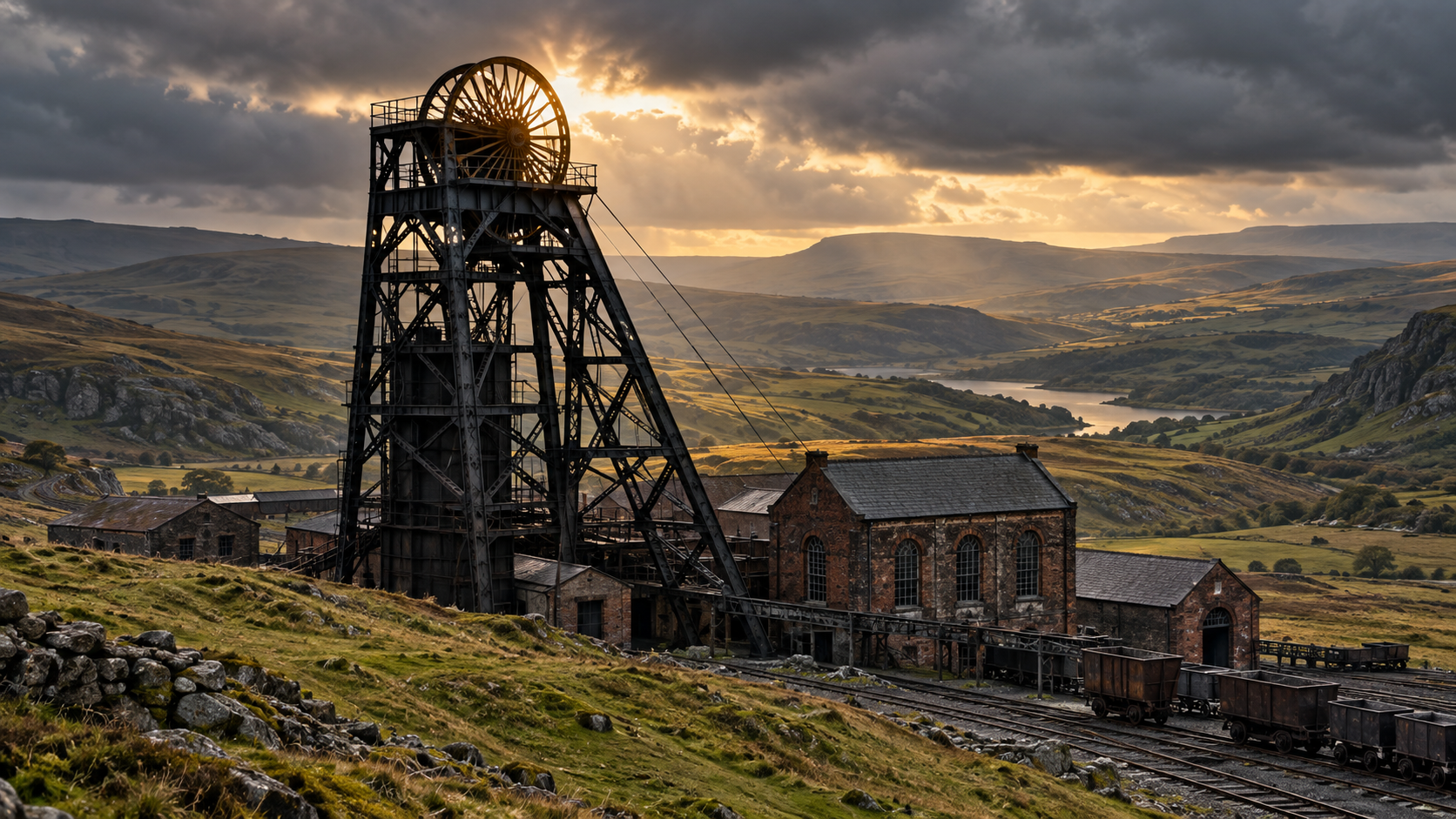
High on the heather moorland above the town of Blaenavon, in South Wales, stands a pithead tower and a cluster of old colliery buildings. For more than a century, this was Big Pit, one of the coal mines that powered industrial Britain. The landscape around Blaenavon was built for industry. Ironworks opened here around 1789, and mines and quarries spread across the hills to feed them with coal, iron ore and limestone. Big Pit was sunk around 1860 and grew into one of the area's major collieries, at its peak employing up to 1,300 workers. Until 1908, everything underground was done by hand, including cutting the coal. Only that year did a conveyor first arrive to help move it. Generation after generation of Blaenavon men worked the seams hundreds of feet underground. But Welsh coal was in long decline. On February 2, 1980, Big Pit closed, with the loss of more than 250 jobs. It was the last deep coal mine operating in the area. Big Pit could have been sealed and forgotten like countless other pits. Instead, people in Blaenavon fought to keep it. Torfaen Borough Council bought the site for £1 and handed it to a charitable trust to turn it into a museum. In 1983, Big Pit reopened, this time with visitors going down the shaft. What made it famous was who took them down. The tour guides were former miners, many of whom had worked these same tunnels. They still lead the tours today. Visitors put on a helmet and lamp, ride the cage about 300 feet down, and walk the old roadways, stables and coal faces while their guide explains what it was like to work there. In 2000, the Blaenavon Industrial Landscape, including Big Pit, was inscribed as a UNESCO World Heritage Site, the first "cultural landscape" in the United Kingdom. In 2001 Big Pit became part of the national museum of Wales, and in 2005 it won the Gulbenkian Prize for museum of the year. Above ground, the land has been changing too. The old coal tips and spoil heaps around Blaenavon are greening over, and nearby, the Garn Lakes Nature Reserve has grown where industry once scarred the hills. The mine has been kept as it was, while the land around it slowly returns to the wild.
Last corrected: Oct 3, 2026.
Grew up near here?
Get the free South Wales guide: every Hidden Current place in the region, with what you can still see and how to get there.
State guides are coming soon. Email signup is not available yet.
Watch the short documentary
Big Pit: The Welsh Coal Mine Where Ex-Miners Take You 300 Feet Down, South Wales
Claim log
| # | Claim | Sources | Status |
|---|---|---|---|
| 1 | Big Pit is at 51.77175, -3.10718; entry is free; up to 1,300 workers were employed; the museum and tour are wheelchair accessible; the King Coal exhibit is on the surface |
| Sourced |
| 2 | Big Pit is at 51.7724, -3.1050; until 1908 all work was by hand; it closed February 2, 1980, with 250+ jobs lost |
| Sourced |
| 3 | Big Pit was sunk around 1860, won the Gulbenkian Prize in 2005, and offers a 300 ft descent with a former miner |
| Sourced |
| 4 | The ironworks opened around 1789; Big Pit was the last deep mine in the area; the landscape was inscribed in 2000, covers 33 km², and was the first UK cultural landscape |
| Sourced |
| 5 | Torfaen Borough Council bought the site for £1 and gave it to the Big Pit Trust; it joined the national museum in 2001 |
| Sourced |
| 6 | Big Pit opened as a museum in 1983 |
| Sourced |
| 7 | Underground tours run 10:00–3:30; children must be at least 1 m tall; the museum is closed December 25, 26 and January 1 |
| Sourced |
| 8 | Big Pit stands on heather moorland |
| Sourced |
| 9 | There can be waits for the underground tour |
| Sourced |
| 10 | Big Pit Halt opened April 6, 2012 |
| Sourced |
| 11 | Nature has reclaimed the land around the old coal tips at Garn Lakes |
| Sourced |
Disagreements logged
No approved disagreements are logged on this page yet.
Submit a disagreement
Disagree with a fact in this story? Submit a source-backed note for editorial review. It stays private until approved and does not automatically become a correction.
Sources
- Visit Wales
- Wikipedia
- Visit Blaenavon
- Art Fund
- museu.ms
- WhichMuseum
- Meandering Wild
Corrections
| # | Correction | Sources |
|---|---|---|
| 1 | Big Pit has not been taken over by nature: it is a preserved national museum with underground tours |
|
| 2 | Nature has reclaimed the land around the old coal tips at Garn Lakes, not the mine itself |
|
More Nature Took It Back places
- Abandoned amusement park outside New Orleans
- Craco Vecchia (old Craco), the "ghost town" of Basilicata
- Mallows Bay: The Ghost Fleet of World War I Ships in the Potomac
- Kolmanskop: The Diamond Town the Namib Desert Is Swallowing
- Old Cahawba: Alabama's First Capital Lost to the Woods
- Houtouwan: The Chinese Fishing Village Swallowed by Green