How It Really WorksChicago RiverChicago Sanitary and Ship CanalLake Michigan
Chicago River Reversal: The City That Made Its River Run Backward, Illinois
In 1900, Chicago opened a 28-mile canal that made its river flow away from Lake Michigan. In extreme storms, the river is still sent back into the lake.
Every claim sourced
25 claims · 25 sources
0 disagreements logged
8 editorial corrections
Last checked Oct 6, 2026
The story
The numbered claim log below connects facts in this story to their sources.
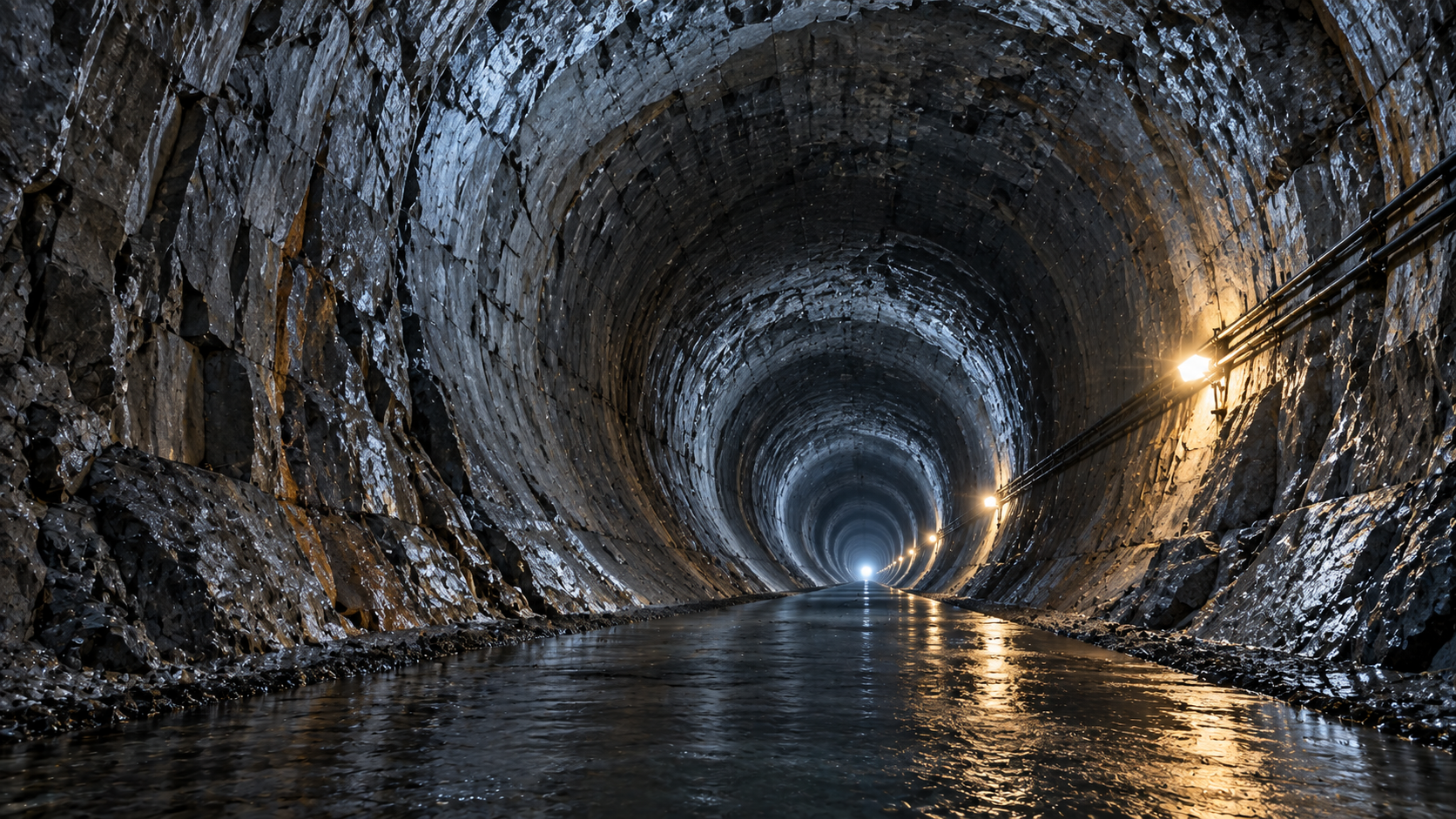
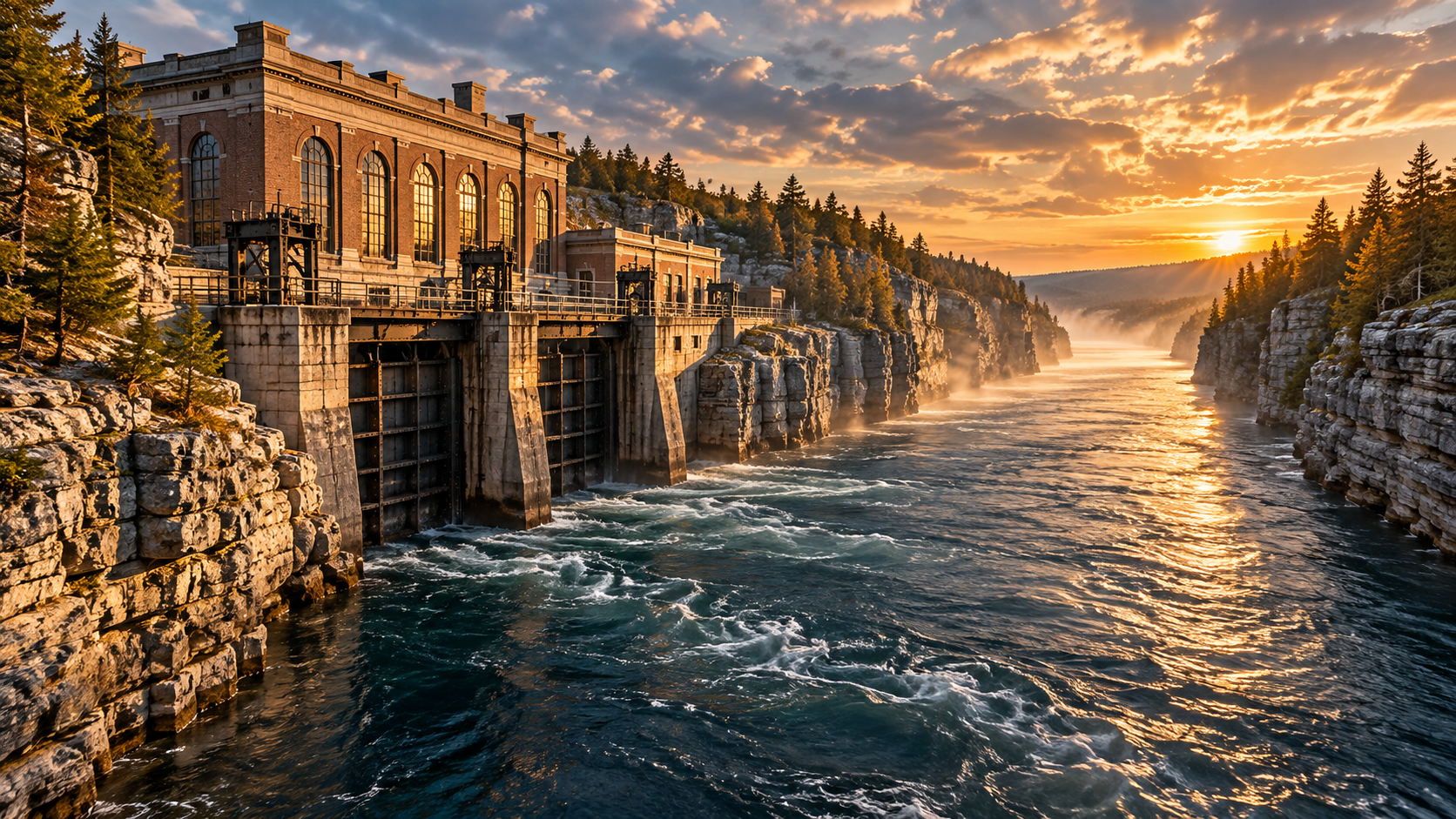
In the 1800s, Chicago had a deadly arrangement. The city's sewers drained into the Chicago River, and the Chicago River drained into Lake Michigan, the city's source of drinking water. In heavy rains, sewage pushed out into the lake and toward the water intakes offshore. Typhoid, cholera and dysentery followed. The city tried a fix once already. In 1871, the old Illinois and Michigan Canal was deepened so the river would flow away from the lake, but the reversal lasted only one season. In 1889, the state of Illinois created a new agency, the Sanitary District of Chicago, to solve the problem for good. Its plan was enormous. Chicago sits on a low ridge that divides two watersheds. On one side, water flows to Lake Michigan and the Atlantic; on the other, to the Des Plaines and Illinois rivers and down the Mississippi to the Gulf of Mexico. If engineers cut a deep enough canal through that ridge, the Chicago River would flow away from the lake, carrying the city's wastewater with it. Work on the Chicago Sanitary and Ship Canal began in 1892. Crews dug a 28-mile channel from the Chicago River to Lockport, removing about 42 million cubic yards of soil and rock. The final 15 miles were cut through bedrock with dynamite and steam shovels mounted on rails. The canal was designed to get deeper as it ran west, so water would flow toward Lockport. Not everyone downstream wanted Chicago's sewage. Missouri was preparing to go to court to stop the canal from opening. So on January 2, 1900, Chicago officials quietly removed the last dam between the river and the canal before a judge could act. Water began pouring west, and by January 17, the full flow had been released. Missouri sued anyway. The case reached the U.S. Supreme Court, which eventually ruled in Chicago's favor. The Chicago River now flowed out of Lake Michigan instead of into it, and the city's drinking water became safer. In 1955, the American Society of Civil Engineers named the reversal one of the seven wonders of American engineering, and in 1999 it called the Chicago River system a "Monument of the Millennium." But the river doesn't always obey. Later legal fights over how much water Chicago could take from the lake led the Sanitary District, now the Metropolitan Water Reclamation District, to build the Chicago Harbor Lock between 1936 and 1938 to control the flow. Its gates normally let lake water into the river. In extreme storms, when the river rises higher than the lake, the district opens them the other way, as a last resort, and lets the river pour back into Lake Michigan. That happened most recently on July 2, 2023, when parts of the city got eight inches of rain. For more than 125 years, the Chicago River has flowed backward from its natural course, nearly all the time.
Last corrected: Oct 6, 2026.
Grew up near here?
Get the free Illinois guide: every Hidden Current place in the region, with what you can still see and how to get there.
State guides are coming soon. Email signup is not available yet.
Watch the short documentary
Chicago River Reversal: The City That Made Its River Run Backward, Illinois
Claim log
| # | Claim | Sources | Status |
|---|---|---|---|
| 1 | The Chicago Harbor Lock is at approximately 41°53′18″N 87°36′23″W, at the mouth of the Chicago River adjacent to Navy Pier |
| Sourced |
| 2 | The Chicago Sanitary and Ship Canal is 28 miles long and was completed January 2, 1900 |
| Sourced |
| 3 | The canal reverses the direction of the Main Stem and the South Branch of the Chicago River, which now flows out of Lake Michigan rather than into it |
| Sourced |
| 4 | In 1871, the Illinois and Michigan Canal was deepened enough to reverse the river's flow for one season |
| Sourced |
| 5 | In advance of an application by the Missouri Attorney General for an injunction, the canal opened on January 2, 1900, but the complete flow was not released until January 17 |
| Sourced |
| 6 | The city's sewage systems discharged into Lake Michigan or the Chicago River, and the city's water supply comes from the lake through water intake cribs two miles offshore |
| Sourced |
| 7 | The Metropolitan Water Reclamation District of Greater Chicago was formed as the Sanitary District of Chicago in 1889 |
| Sourced |
| 8 | The MWRD reversed the Chicago River in 1900 by constructing the Chicago Sanitary and Ship Canal to take wastewater away from Lake Michigan |
| Sourced |
| 9 | As part of the river reversal, the District constructed the Lockport Controlling Works and Lockport Powerhouse and Lock |
| Sourced |
| 10 | Work on the canal began in 1892, and laborers excavated 42 million cubic yards of soil |
| Sourced |
| 11 | At dawn on January 2, 1900, a small group gathered to break the final dam |
| Sourced |
| 12 | Years later, Missouri's suit reached the U.S. Supreme Court, which ruled in Chicago's favor |
| Sourced |
| 13 | The project involved a 28-mile channel through a glacial moraine and bedrock ridge; the final 15 miles were dug through rock with dynamite and steam shovels mounted on rails |
| Sourced |
| 14 | The canal was designed to get deeper as it moves west, allowing water to flow from the Chicago River |
| Sourced |
| 15 | The American Society of Civil Engineers named the project one of the seven wonders of engineering in 1955, and in 1999 called the Chicago River system a "Civil Engineering Monument of the Millennium" |
| Sourced |
| 16 | Before the reversal, water east of the divide flowed into Lake Michigan and water west of it ended up in the Mississippi via the Des Plaines and Illinois rivers |
| Sourced |
| 17 | The Supreme Court later required the city to build a dam or a lock to control how much of Lake Michigan flows into the river, and the MWRD opted for a lock |
| Sourced |
| 18 | The Chicago Harbor Lock was built between 1936 and 1938 |
| Sourced |
| 19 | The lock's eight sluice gates let lake water into the river normally and let water out of the swollen river into the lake during heavy rainfall as a last resort for flood control |
| Sourced |
| 20 | The Chicago Harbor Lock is the fourth-busiest lock in the nation for commercial use and the second-busiest for recreational use |
| Sourced |
| 21 | The MWRD can only reverse the waterway to the lake when the river level is above Lake Michigan levels |
| Sourced |
| 22 | During the July 2–3, 2023 storm, the North Shore Channel gates were opened at 2:16 p.m. and the downtown locks at 4 p.m. |
| Sourced |
| 23 | Reversals into Lake Michigan have happened about three dozen times since 1985 |
| Sourced |
| 24 | Reversals into Lake Michigan have occurred 50 times since 1985, most recently on July 2, when some areas got eight inches of rain |
| Sourced |
| 25 | Typhoid, cholera and dysentery spread as big storms carried sewage toward the drinking water supply |
| Sourced |
Disagreements logged
No approved disagreements are logged on this page yet.
Submit a disagreement
Disagree with a fact in this story? Submit a source-backed note for editorial review. It stays private until approved and does not automatically become a correction.
Sources
- grokipedia.com
- Wikipedia
- MWRD
- City Cast Chicago
- Linda Hall Library
- Illinois-Indiana Sea Grant
- WTTW
- weather.com
- CBS News
- spacedaily.com
Corrections
| # | Correction | Sources |
|---|---|---|
| 1 | The reversal is not absolute: during extreme storms, when the river rises above Lake Michigan, the MWRD opens the locks and gates and lets the river flow into the lake |
|
| 2 | Reversals into Lake Michigan have happened about three dozen times since 1985 |
|
| 3 | Reversals into Lake Michigan have occurred 50 times since 1985 |
|
| 4 | The canal was not Chicago's first attempt; the deepened Illinois and Michigan Canal reversed the river for one season in 1871 |
|
| 5 | The full flow through the canal was not released until January 17, 1900, not on the January 2 opening |
|
| 6 | Accounts differ on the timing of the January 2, 1900 opening: at dawn |
|
| 7 | Accounts differ on the timing of the January 2, 1900 opening: in the middle of the night |
|
| 8 | The canal is listed as 28 miles long, while an ASCE record cites a finished channel 31 miles long |
|